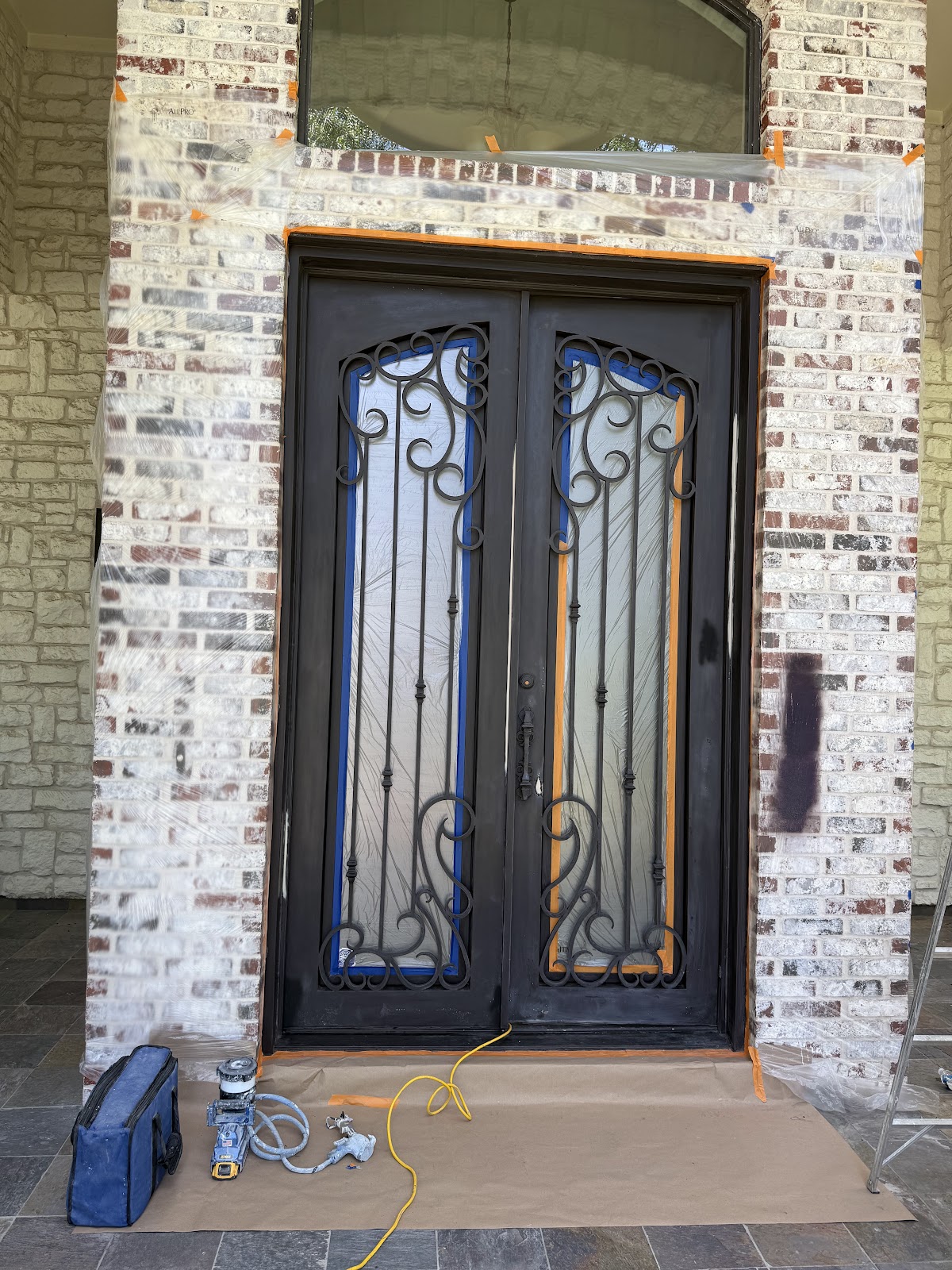
If you're planning to paint the exterior wood on your house in Spring, you can skip the temptation to just roll paint over whatever's there. That's the fastest way to watch your new paint peel and fail in a year or two. The humidity here in Southeast Texas means water gets into wood fast, and if you haven't prepared the surface right, moisture will get trapped under your paint and cause real damage. Proper prep takes time, but it's the only way to get a paint job that actually lasts.
Why Prep Matters More Than Paint Quality
A lot of homeowners think the paint itself is what makes a job last. That's backwards. You could use premium paint on unprepared wood and watch it fail. You could use mid-range paint on properly prepped wood and get five to seven good years out of it. The wood surface is your foundation. If it's dirty, loose, or damaged, the paint has nothing solid to grip. In Spring's climate, where we deal with heat, humidity, and afternoon thunderstorms, that foundation matters even more.
Power Washing and Hand Scraping
Start by getting the old paint and dirt off. A power washer works well for loose debris and mold, but don't use high pressure on old, soft paint. You'll damage the wood underneath. Set your washer to around 1500 PSI and keep it moving. After washing, let the wood dry for at least 48 hours before moving forward. This is not a step to rush.
Once it's dry, grab a paint scraper and get to work on any paint that's peeling, bubbling, or flaking. Use a stiff putty knife or a 4-inch scraper. Get aggressive here. If the paint is loose, it needs to come off. If you hit bare wood, that's fine. Sand those edges smooth so the new paint has a clean transition. For stubborn spots, a wire brush attachment on a drill saves your arm.
Filling Gaps and Repairing Damage
Wood moves. It expands and contracts with temperature and moisture, especially here in Texas where it gets hot and humid. Check for gaps around trim, corners, and joints. Use exterior-grade caulk, not interior. Get a caulk that's paintable and flexible. Fill the gaps generously and smooth it with a wet finger before it dries. This keeps water from getting behind your trim.
Look for soft spots, rot, or deep cracks. Press a screwdriver into the wood. If it sinks in easily, you've got rot. Small spots can be filled with exterior wood filler. Larger damaged areas need to be cut out and replaced with new wood or filled with a two-part epoxy filler. Don't skip this. Rot spreads, and it will ruin more wood if you leave it.
Sanding for a Smooth Surface
After repairs, sand the whole surface you're going to paint. This doesn't have to be perfect, but it matters. Sanding opens up the wood grain slightly so paint can stick better. It also smooths out any rough patches from scraping and fills. Use 120 to 150-grit sandpaper for most work. If you've got a lot of area, a random orbital sander makes the job faster. Hand sand the corners and edges.
Wipe everything down with a damp cloth after sanding to get the dust off. Let it dry completely before priming.
Priming Bare Wood
Any spot where you've scraped down to bare wood needs primer. This is non-negotiable in Spring's moisture-heavy climate. Primer seals the wood, prevents tannin bleed-through, and gives the paint a better surface to stick to. Use an exterior primer rated for the type of wood you have. One coat is usually enough, but two coats on heavily damaged or repaired areas isn't a waste.
Let primer dry per the manufacturer's instructions. Don't assume it's dry just because it feels dry to the touch. Most exterior primers need 24 hours of cure time before you paint over them.
Weather Timing
Don't paint in direct sun or right before rain. In Spring, that means watching the forecast carefully. Paint in the morning or late afternoon when the wood is in shade. Humidity should be below 85 percent. Temperature should be between 50 and 85 degrees. These conditions help paint cure properly. If rain shows up within 24 hours of painting, you risk the paint washing or bleeding.
If you're doing this yourself, it's a lot of work. Most people find that having professionals handle it saves them time and frustration. J's Pro Painting has been painting homes in Spring for years and knows exactly how to prep wood in our climate. If you want the job done right the first time, give us a call and we'll walk you through what your house needs.