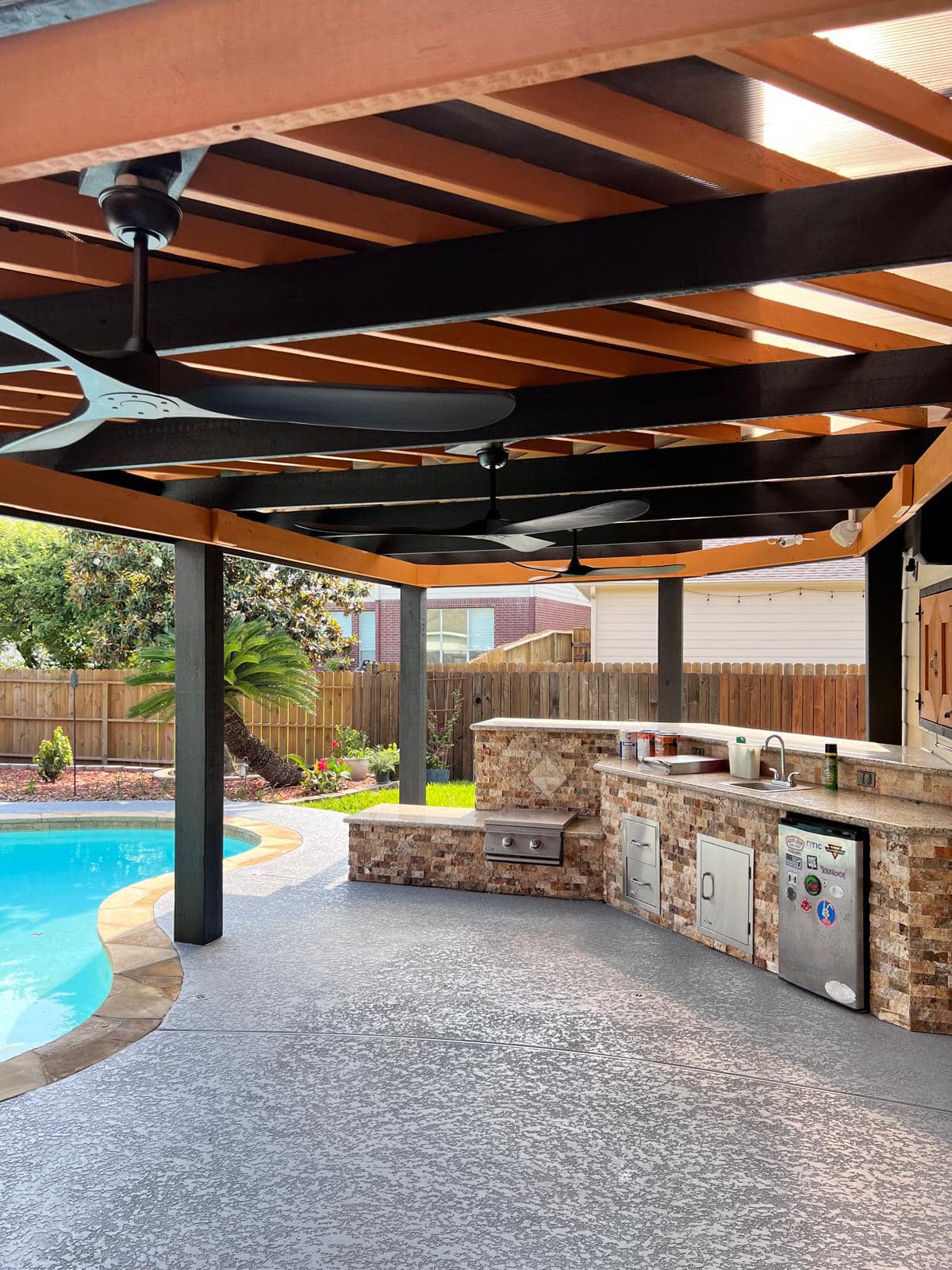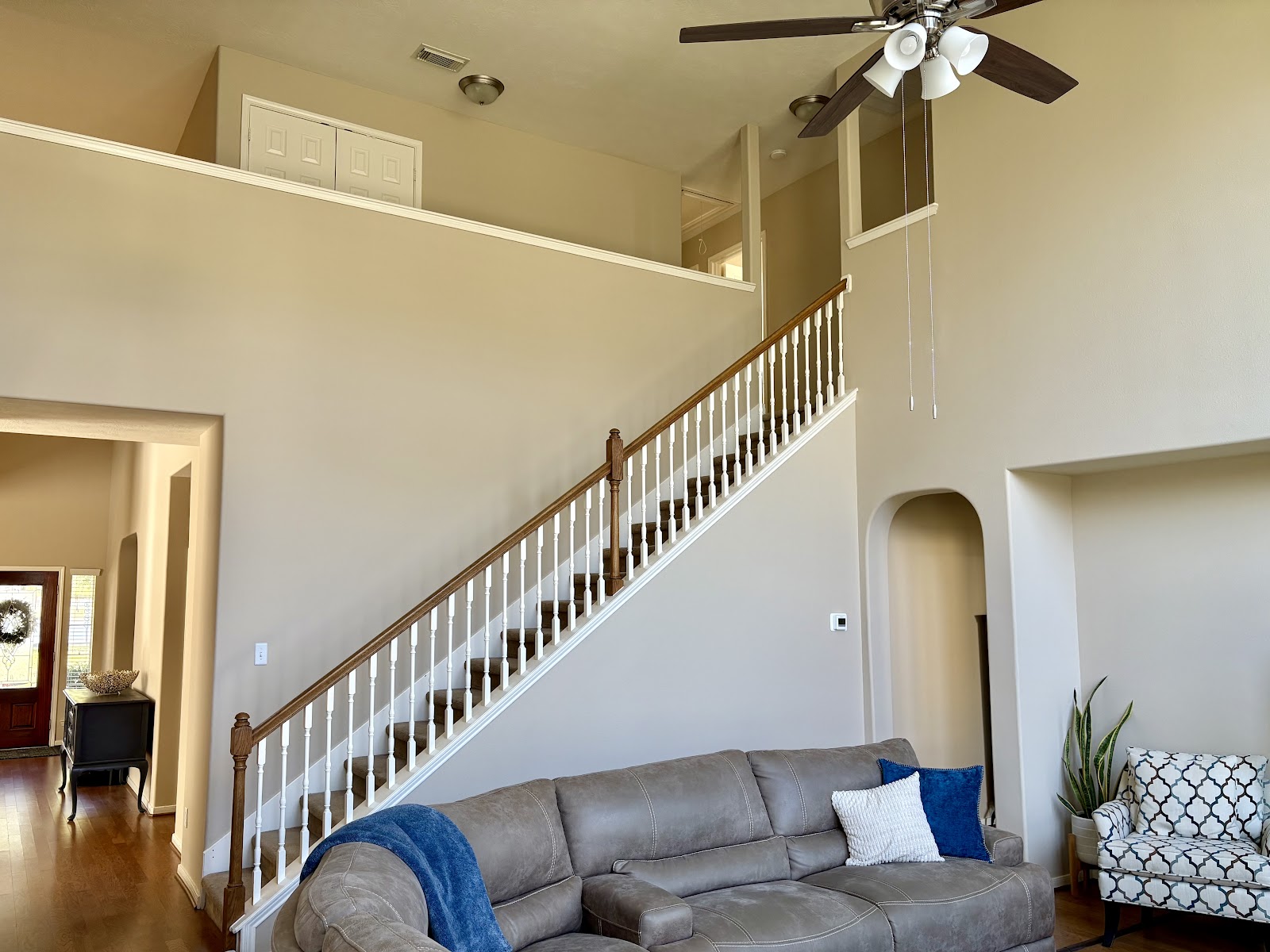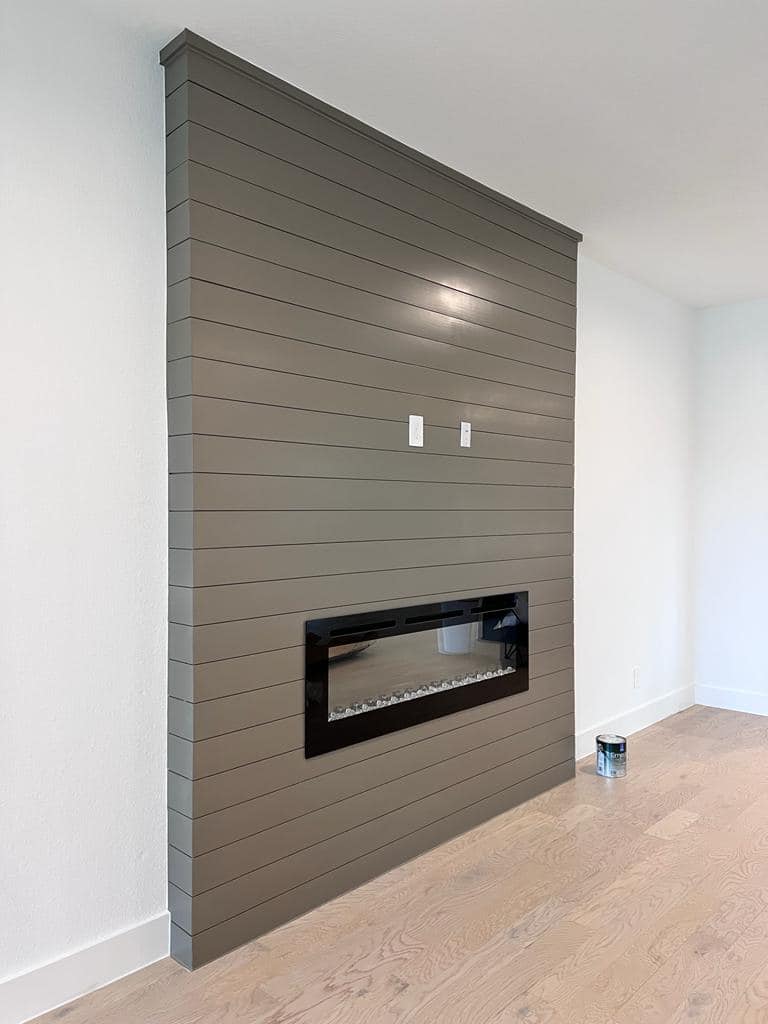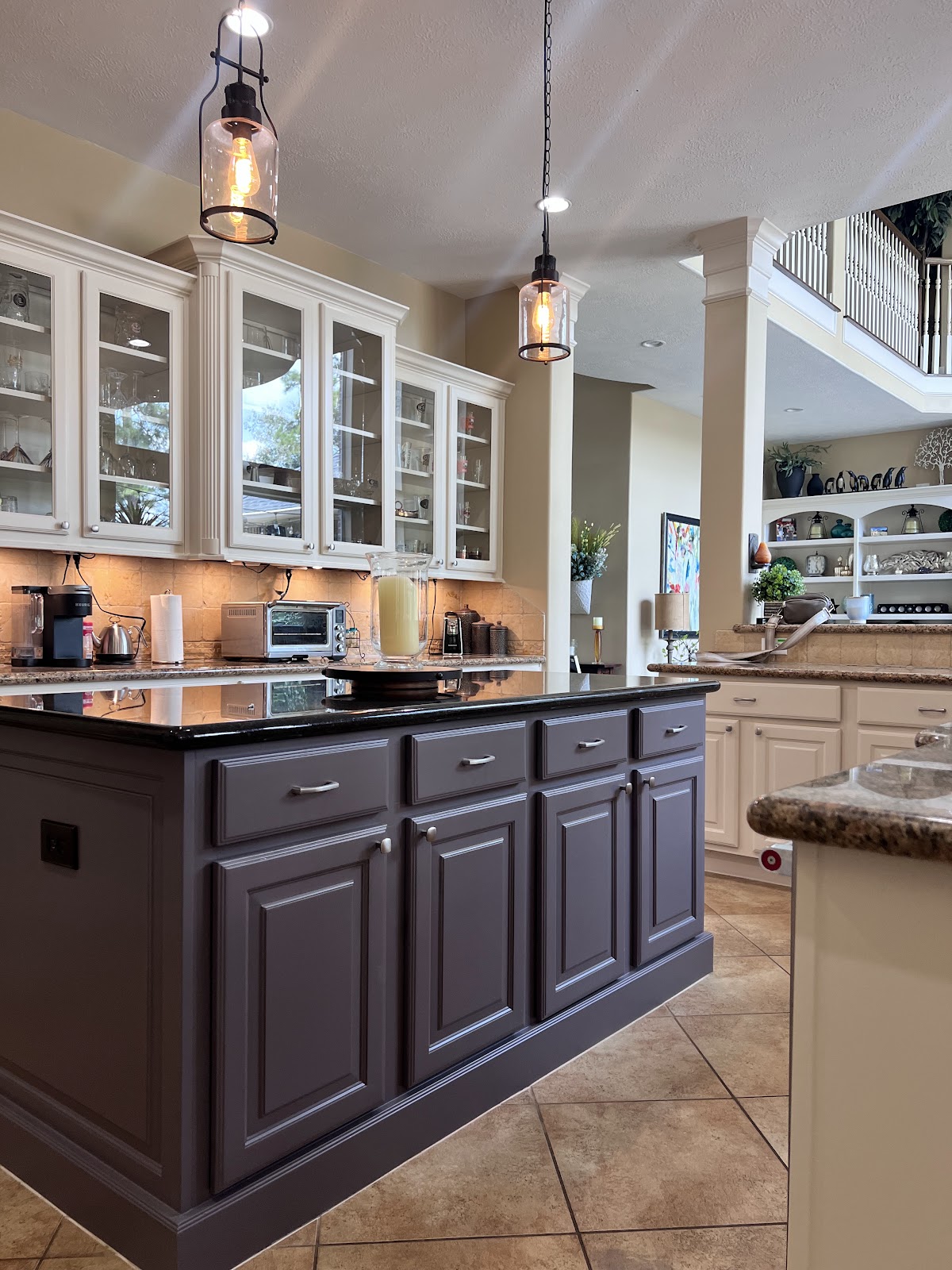
Most homeowners in Spring don't realize that a painting estimate is not just a price. It's a detailed plan. When you call a painter and ask for an estimate, you're asking them to look at your walls, understand the condition of the surface, figure out how much paint and labor the job will take, and commit to a price based on that analysis. If the estimate is vague or rushed, the painter either doesn't know what they're doing or they're setting themselves up to cut corners later. Either way, you lose.
What Painters Actually Look At
When I show up to estimate a job in Spring, I'm not just eyeballing the walls and throwing out a number. I'm checking the paint that's already there. Is it peeling or chalking. Does it need scraping and priming, or can I paint over it. I look at the drywall condition, the trim, whether there's water damage or stains that will bleed through. I check the caulk around windows and doors. On exterior jobs, I'm looking at wood rot, loose siding, and how much prep work the house actually needs. A house that looks fine from the street might need two days of prep work that a bad estimate won't account for. That's where estimates fall apart.
The Difference Between a Walk-Through and a Real Estimate
A lot of painters will give you a price over the phone or after a five-minute walk. That's not an estimate. That's a guess. A real estimate means the painter is in your home long enough to measure the rooms, check the paint condition, identify problem areas, and ask you questions about what you want. In Spring's heat and humidity, paint prep is everything. If your painter doesn't spend time figuring out what the surface needs, you'll end up with paint that fails in a year. I bring a notebook and I write down square footage, wall condition, number of coats needed, and any special requests. That takes time, but it's the only way to get a price that actually means something.
Why Multiple Estimates Matter, But Not in the Way You Think
You should get more than one estimate. That's smart. But don't just pick the lowest number. Instead, compare what each painter is actually proposing to do. One estimate might include two coats and full prep. Another might be one coat with minimal prep, which is why it's cheaper. Read the estimate carefully. It should spell out the paint brand, the number of coats, what prep work is included, whether they're caulking and sanding, and whether they're moving furniture or protecting your floors. If an estimate is vague about these details, ask questions. If they won't answer clearly, that's a red flag.
Local Factors That Affect Your Spring Painting Cost
Spring sits in a humid subtropical climate. That matters for painting. Our moisture and heat mean paint prep is more critical than it is in drier parts of Texas. If a painter doesn't account for moisture issues, mold, or humidity-related paint failure, their estimate is incomplete. Also, the age of homes in Spring varies a lot. Older homes often have issues like lead paint, plaster instead of drywall, or settled walls that need special handling. A painter who's worked in Spring for years will know these quirks and price them into the estimate. A painter new to the area might miss them. When you're comparing estimates, ask the painter how many jobs they've done in Spring and what they know about local conditions.
What to Ask Before You Agree to an Estimate
Before you say yes to a price, ask when the painter can start and how long the job will take. Ask what happens if the work uncovers problems, like wood rot or water damage, that weren't visible during the estimate. A good painter will have a process for handling this. Ask whether the price includes cleanup and disposal of old paint cans. Ask about the warranty on the work. Not all painters offer one, but if they do, it should be in writing on the estimate. Ask for references from recent jobs in Spring. Call them. A five-minute phone call can save you thousands in regret.
Getting the Estimate in Writing
This is non-negotiable. Your estimate should be on paper or email, signed and dated, with a breakdown of what's included. It should say what paint you're using, the brand and finish. It should list the rooms or square footage. It should say how many coats and how much prep work. It should include a start date and expected completion date. If the painter balks at putting it in writing, walk away. A professional painter will have an estimate form. They use it every day.
J's Pro Painting has been doing residential and commercial work in Spring for years. We know the local climate, the age of the homes here, and what it takes to get paint to last. If you're ready for an accurate estimate that accounts for your home's real condition, give us a call. We'll spend the time to get it right.