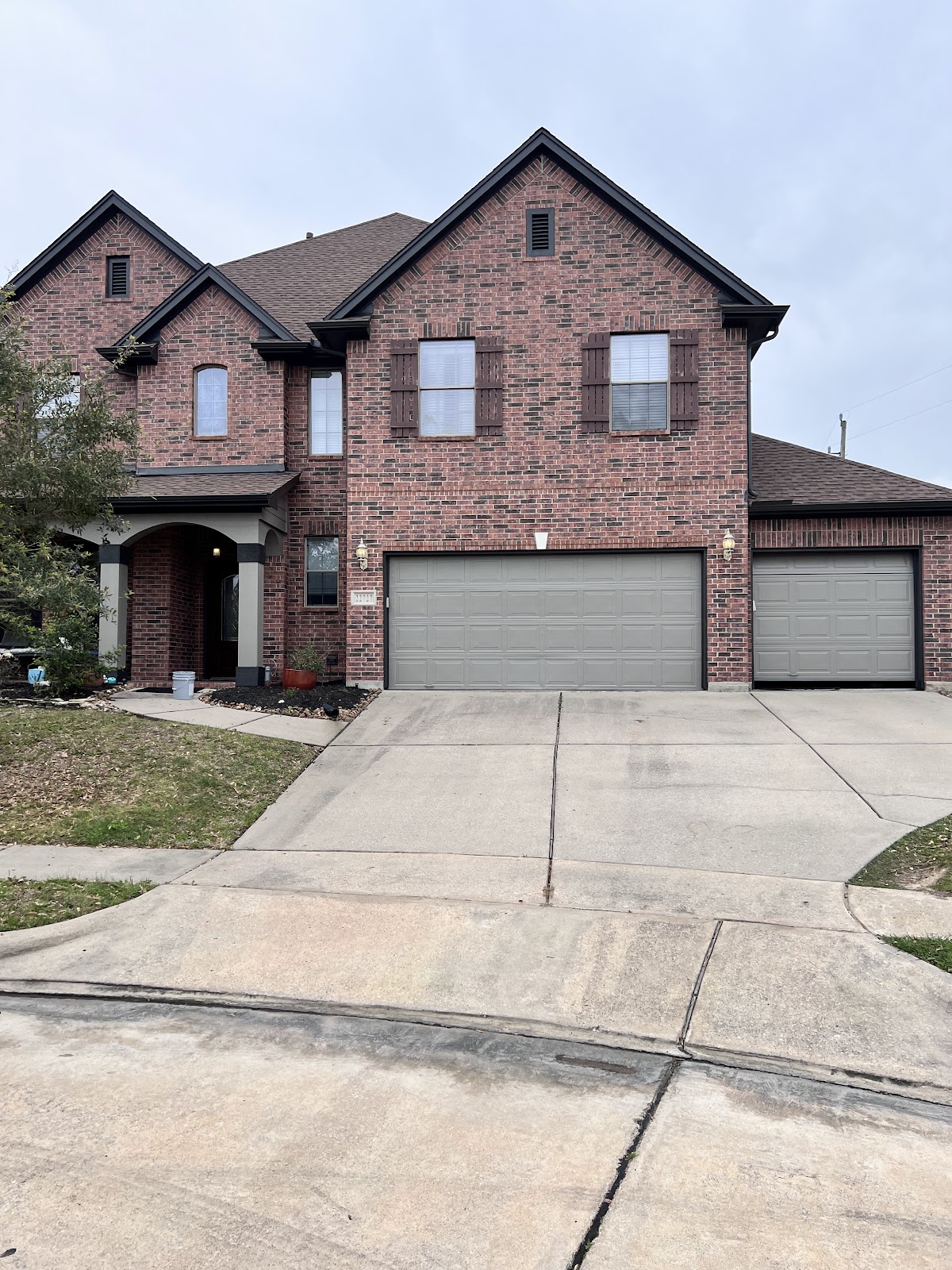
Most homeowners in Spring, Texas don't think about exterior paint until something goes wrong. A few years of sun and humidity, and the color fades. The paint starts peeling near the gutters. You notice chalking on the siding. By then, you're looking at a bigger job than if you'd stayed on top of it. The truth is that how often you need to repaint depends on what's already on your house, how much weather it takes, and how much you care about keeping it looking sharp.
The Texas Heat and Humidity Work Overtime on Paint
Spring sits in that humid subtropical zone where the sun beats down hard and the air stays wet most of the year. That combination is rough on exterior paint. UV rays fade color faster here than in drier climates. The moisture gets into wood and siding, which causes paint to bubble and peel. Rain followed by heat followed by rain again creates a cycle that breaks down even decent paint in a hurry. If you've got a house that faces south or west, you're getting hit harder than homes in the shade. This means your south-facing walls might need repainting years before the north side does.
Quality Paint Makes a Real Difference in Lifespan
Not all exterior paint is the same. A budget paint from a big box store might hold up for five to seven years in Spring. A premium paint from a specialty supplier, applied properly, can last twelve to fifteen years. The difference comes down to pigment quality, binder strength, and how well it resists mildew in humid climates. When you're choosing paint, don't just look at the price tag. Talk to your painter about what works in our climate. Some paints are formulated specifically for hot, humid areas and they're worth the extra money because you won't be repainting as often.
Siding Type Changes the Timeline Significantly
Your timeline also depends on what your house is made of. If you have wood siding, you're looking at repainting every five to eight years. Wood absorbs moisture and swells and shrinks with temperature changes, which stresses the paint film. Vinyl siding doesn't need paint at all, but if you've painted it, expect that paint to last six to ten years. Brick or fiber cement board can go longer between paintings, sometimes ten to fifteen years, because these materials are more stable. Stucco in Texas heat can look tired after eight to twelve years. The material underneath matters as much as the paint on top.
Watch for These Signs That Repainting Is Overdue
You don't have to go by a calendar. Your house will tell you when it needs paint. Chalking is the most common sign. Run your hand over the painted surface and if white or colored dust comes off, the paint's UV protection is breaking down. Peeling paint, especially around trim or where water collects, means moisture is getting behind the coating. Fading that's uneven across the house usually points to different sun exposure, but if the whole house looks dull, that's a signal too. Mildew growth on the north side or in shaded areas is common in Spring's humidity, and while you can clean it, repainting with a mildew-resistant product is the better long-term fix. If you're seeing more than one of these signs, it's time to call a painter.
A Maintenance Coat Isn't Always a Full Repaint
Sometimes you don't need a complete repaint. If the existing paint is still bonded well and the color is acceptable, a single coat of quality exterior paint over a cleaned surface can add several years of life. This works best if the old paint isn't peeling or failing. You save money because you're not scraping, priming, and doing two coats. It's a refresh, not a restoration. This approach makes sense if your house was painted eight or nine years ago with decent paint and it's just starting to look tired. It doesn't work if there's structural damage, active peeling, or mildew staining that goes deep.
Plan Your Repaint Before You Need It
The best approach is to get ahead of the problem. Have your house inspected every three to four years, especially the south and west sides. Take photos so you can track how the paint is holding up. Talk to your painter about what you're seeing. If you know you're in year seven or eight with budget paint, start budgeting for a repaint in the next year or two. Spring's weather is predictable in its harshness, so you can plan accordingly. Getting on a schedule means you paint when the work is convenient, not in an emergency when the house is falling apart and you're scrambling to find someone available.
When you're ready to repaint, J's Pro Painting has been helping Spring homeowners protect their houses from this climate for years. We know what products work here and how to prep and apply them right. Call us to talk about your house's needs and get a straightforward estimate.